Viltnemnda: A Complete Guide to Norway’s Municipal Wildlife Committee, Responsibilities, Hunting Management, and Conservation Role
Wildlife management is an important part of protecting nature while balancing the needs of people, agriculture, forestry, and local communities. Every country has its own system for managing wild animals, conserving habitats, and regulating hunting activities. In Norway, one of the key organizations involved in local wildlife governance is the viltnemnda.
Many people outside Norway are unfamiliar with the term because it is closely connected to the country’s municipal wildlife management system. However, as interest in environmental conservation, sustainable hunting, biodiversity, and natural resource management continues to grow worldwide, more people are searching for information about viltnemnda.
This comprehensive guide explains everything you need to know about viltnemnda in simple language. Rather than merely translating the Norwegian term, this article explores its purpose, responsibilities, legal authority, role in wildlife conservation, relationship with hunters and local governments, challenges, future developments, and why this local committee has become an important part of Norway’s environmental management system.
Whether you are a student, researcher, environmental professional, hunter, traveler, or simply curious about Norwegian wildlife policies, this guide provides a complete understanding of viltnemnda.
What Is Viltnemnda?
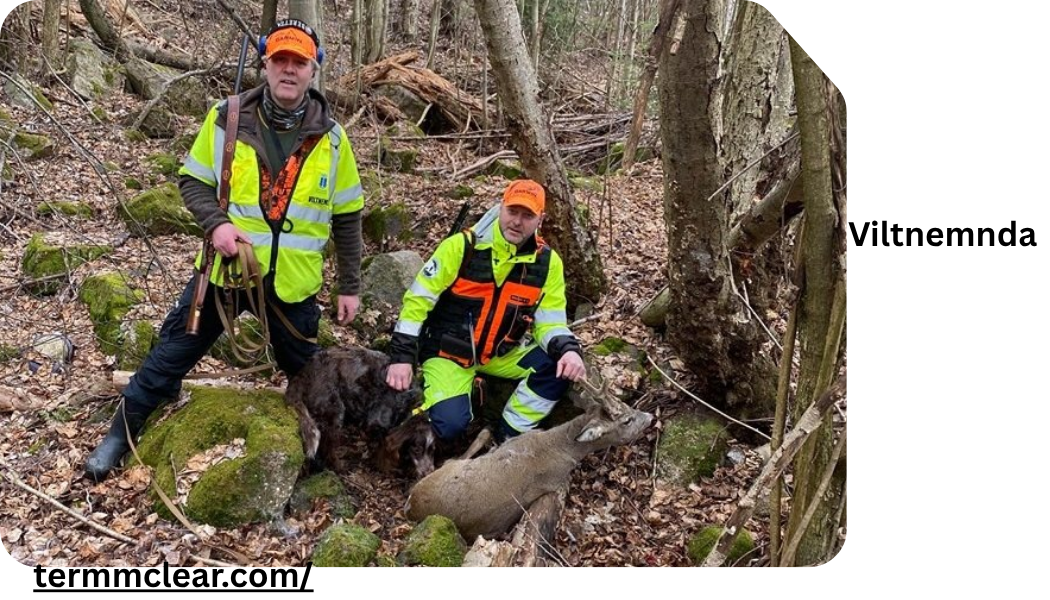
Viltnemnda is a municipal wildlife committee in Norway that helps manage wild animal populations within individual municipalities. The committee serves as an advisory and decision-making body that works with local governments to ensure wildlife resources are managed responsibly and sustainably.
Unlike national wildlife agencies that develop countrywide regulations, viltnemnda focuses on local conditions. Every municipality has unique landscapes, animal populations, farming activities, forests, and conservation priorities. The committee helps ensure that wildlife management reflects these local differences.
The word itself comes from Norwegian:
- “Vilt” means wildlife or wild game.
- “Nemnda” means committee or board.
Together, viltnemnda refers to the municipal wildlife committee responsible for local wildlife administration.
Why Was Viltnemnda Created?
Wildlife populations constantly change due to natural conditions and human activity.
Without organized management, several problems could occur:
- Overpopulation of certain species
- Damage to forests
- Crop destruction
- Increased vehicle collisions
- Habitat degradation
- Declining biodiversity
- Unsustainable hunting
Norway developed local wildlife committees because local authorities often understand regional environmental conditions better than centralized government agencies.
Viltnemnda allows wildlife decisions to consider:
- Local ecosystems
- Population trends
- Community concerns
- Agricultural interests
- Forestry management
- Conservation objectives
This decentralized approach helps create practical and balanced wildlife policies.
The Purpose of Viltnemnda
The primary mission of viltnemnda is to maintain healthy wildlife populations while balancing ecological sustainability with human interests.
Its work generally focuses on several major goals.
Protect Wildlife Resources
The committee works to ensure that animal populations remain healthy for future generations.
Support Sustainable Hunting
Hunting is an important cultural tradition in Norway.
Viltnemnda helps regulate hunting activities to prevent excessive harvesting of wildlife.
Reduce Human-Wildlife Conflicts
As animal populations grow, conflicts sometimes occur between wildlife and people.
The committee helps develop solutions that protect both wildlife and local communities.
Promote Biodiversity
Healthy ecosystems depend on balanced wildlife populations.
Viltnemnda contributes to maintaining ecological diversity across different habitats.
How Viltnemnda Fits into Norway’s Wildlife Management System
Norway uses a multi-level approach to environmental management.
Each level has different responsibilities.
National Government
National authorities establish wildlife laws and overall conservation policies.
County Authorities
Regional governments help coordinate wildlife management across larger geographic areas.
Municipal Governments
Local municipalities implement wildlife policies according to regional needs.
Viltnemnda
The municipal wildlife committee advises local governments and helps make decisions regarding wildlife management within municipal boundaries.
This layered system allows national consistency while maintaining local flexibility.
Main Responsibilities of Viltnemnda
Although responsibilities vary between municipalities, viltnemnda generally performs several important functions.
Wildlife Population Monitoring
Understanding wildlife numbers is essential for responsible management.
The committee reviews information about local animal populations to identify long-term trends.
Monitoring may include species such as:
- Moose
- Deer
- Roe deer
- Wild reindeer
- Small game
- Predators
Reliable data supports informed decision-making.
Hunting Management
One of the committee’s most recognized responsibilities involves hunting administration.
This may include:
- Hunting quotas
- Local regulations
- Harvest recommendations
- Population assessments
- Sustainable harvest planning
The goal is to maintain healthy wildlife populations while allowing responsible hunting.
Habitat Conservation
Healthy wildlife depends on healthy habitats.
Viltnemnda may recommend measures that protect:
- Forests
- Wetlands
- Rivers
- Mountain ecosystems
- Feeding areas
- Breeding habitats
Protecting habitats benefits both wildlife and biodiversity.
Advising Municipal Authorities
Municipal governments often seek recommendations from viltnemnda regarding wildlife-related matters.
Committee members provide local expertise that supports evidence-based decisions.
Wildlife Species Commonly Managed by Viltnemnda
Norway is home to a wide variety of wild animals.
Depending on location, the committee may work with several species.
Moose
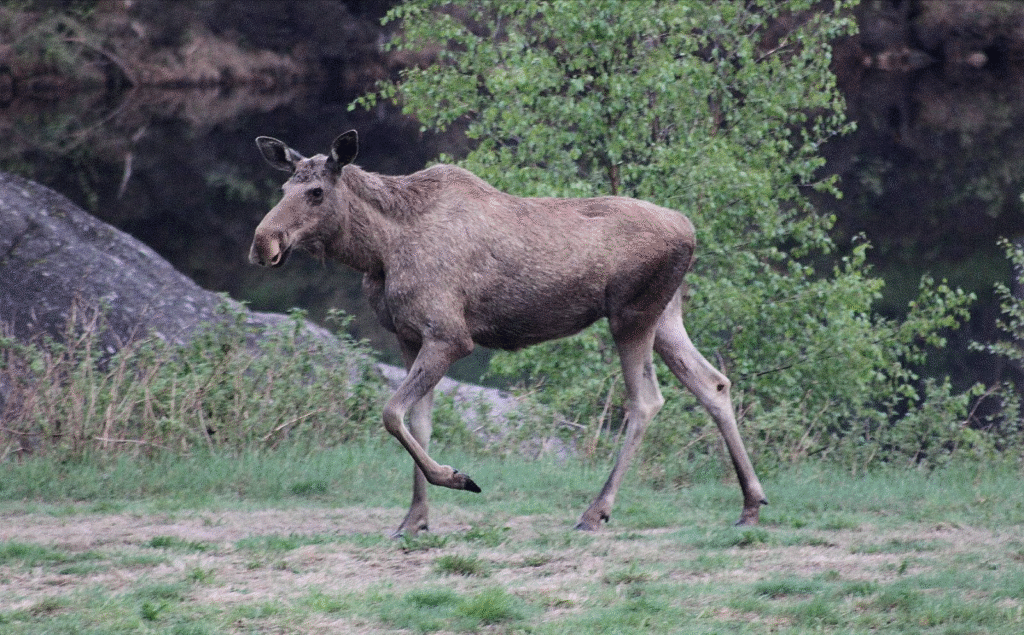
Moose represent one of Norway’s most important game animals.
Population management helps reduce:
- Road accidents
- Forest damage
- Food shortages
- Population imbalance
Red Deer
Red deer populations require careful monitoring to maintain sustainable numbers.
Roe Deer
These smaller deer are common throughout many Norwegian regions.
Population growth can influence agriculture and forestry.
Wild Reindeer
Certain mountain regions contain wild reindeer populations that require careful habitat management.
Small Game Species
Local committees may also consider smaller wildlife including:
- Grouse
- Hare
- Foxes
- Various bird species
Management strategies differ depending on regional ecological conditions.
The Importance of Sustainable Wildlife Management
Modern wildlife management goes far beyond protecting individual animals.
It seeks to balance three interconnected priorities:
Environmental Sustainability
Healthy ecosystems require balanced animal populations.
Economic Interests
Forestry, farming, tourism, and outdoor recreation all interact with wildlife.
Social Values
Many communities value hunting traditions while also supporting conservation.
Viltnemnda works to balance these sometimes competing interests.
How Hunting Supports Conservation
Many people assume hunting and conservation are opposites.
In Norway, regulated hunting is considered an important wildlife management tool.
Responsible hunting can help:
- Prevent overpopulation
- Reduce disease transmission
- Protect forest regeneration
- Minimize crop damage
- Maintain ecological balance
Viltnemnda helps ensure hunting remains sustainable rather than excessive.
Who Serves on Viltnemnda?
Committee members are typically appointed by the municipal council.
Membership often includes individuals with knowledge or experience in areas such as:
- Wildlife biology
- Forestry
- Agriculture
- Hunting
- Environmental management
- Local government
Because each municipality has different needs, committee composition may vary across Norway.
The Role of Scientific Data in Viltnemnda’s Decisions
Modern wildlife management relies heavily on scientific evidence rather than assumptions. Viltnemnda uses available research, local observations, and population monitoring to make informed recommendations that support long-term ecological balance.
Also read:Onnilaina: The Complete Guide to Online Life, Digital Services, and Internet-Based Activities
Important sources of information may include:
- Wildlife population surveys
- Hunting reports
- Habitat assessments
- Seasonal migration data
- Environmental research
- Local observations from landowners and hunters
By combining scientific findings with local knowledge, the committee can make decisions that better reflect real environmental conditions.
How Local Communities Benefit from Viltnemnda
The work of viltnemnda extends beyond wildlife itself. Effective wildlife management creates positive outcomes for many parts of society.
Safer Roads
Managing populations of large animals such as moose and deer can help reduce vehicle collisions, improving public safety.
Healthier Forests
Balanced wildlife populations reduce excessive browsing on young trees, supporting sustainable forestry and healthy forest regeneration.
Agricultural Protection
Farmers may experience fewer crop losses when wildlife populations are maintained at sustainable levels.
Biodiversity Conservation
Protecting habitats benefits many plant and animal species, not just those managed for hunting.
Support for Outdoor Recreation
Healthy wildlife populations contribute to nature tourism, hiking, wildlife photography, and other outdoor activities that benefit local communities.
Challenges Facing Viltnemnda Today
Wildlife management has become more complex as environmental conditions continue to change. While viltnemnda plays an important role in Norway’s municipal wildlife system, the committee also faces several modern challenges that require careful planning and cooperation.
Climate Change
Changing temperatures are affecting ecosystems across Norway. Warmer winters, shifting seasons, and changes in vegetation can influence wildlife behavior, migration patterns, breeding cycles, and food availability.
As habitats change, wildlife management strategies must also adapt to ensure healthy animal populations over the long term.
Growing Human Development
Urban expansion, road construction, and infrastructure projects can reduce or divide wildlife habitats.
When natural areas become fragmented, animals may have greater difficulty finding food, mates, or safe migration routes. Viltnemnda often considers these local impacts when providing recommendations to municipal authorities.
Balancing Different Interests
Wildlife management rarely involves simple decisions. Different groups may have different priorities.
For example:
- Farmers may want lower wildlife populations to reduce crop damage.
- Hunters may prefer healthy game populations.
- Conservation organizations often focus on protecting biodiversity.
- Residents may be concerned about road safety or property damage.
Viltnemnda works to balance these interests while following environmental laws and scientific guidance.
Protecting Biodiversity
Although managing popular game species is important, maintaining overall biodiversity is equally essential.
Healthy ecosystems depend on many interconnected species, including mammals, birds, insects, plants, and microorganisms. Wildlife decisions should consider the broader ecosystem rather than focusing only on individual animals.
How Viltnemnda Supports Sustainable Hunting
Hunting has long been part of Norwegian culture and outdoor traditions. However, modern hunting is carefully regulated to help maintain wildlife populations for future generations.
Viltnemnda contributes to sustainable hunting by supporting responsible management practices.
These may include:
- Evaluating wildlife population trends
- Reviewing local harvest information
- Advising on hunting quotas
- Encouraging ethical hunting practices
- Promoting responsible wildlife stewardship
Rather than encouraging excessive hunting, the goal is to maintain a healthy balance between wildlife conservation and sustainable resource use.
The Importance of Public Participation
Wildlife management works best when local communities remain involved.
Residents often provide valuable information about wildlife sightings, habitat conditions, and changes within the local environment.
Public participation can improve decision-making through:
- Community meetings
- Public consultations
- Wildlife observations
- Local environmental organizations
- Cooperation with landowners
- Collaboration with hunting associations
When local knowledge is combined with scientific research, wildlife management becomes more effective.
Technology and Modern Wildlife Management
Technology has significantly improved how wildlife populations are monitored.
Today, municipalities and wildlife experts may use modern tools such as:
GPS Tracking
GPS collars help researchers understand animal movement patterns and migration routes.
Camera Monitoring
Wildlife cameras collect valuable information without disturbing animals in their natural habitats.
Digital Mapping
Geographic Information Systems (GIS) help visualize habitats, migration corridors, and environmental changes.
Population Databases
Digital record systems make it easier to analyze long-term wildlife trends and compare data across municipalities.
These technologies help support evidence-based recommendations from committees such as viltnemnda.
Why Local Wildlife Committees Matter
Some people wonder why local committees are necessary when national governments already establish wildlife laws.
The answer lies in local knowledge.
Each municipality has unique:
- Landscapes
- Forests
- Mountains
- Wetlands
- Wildlife populations
- Agricultural practices
- Human activities
A management strategy that works well in one region may not be suitable for another.
Viltnemnda helps ensure that wildlife decisions reflect local environmental conditions while supporting national conservation goals.
International Interest in Norway’s Wildlife Management Model
Norway’s approach to combining national regulations with local decision-making has attracted attention from researchers and environmental professionals in other countries.
Several aspects make this system noteworthy:
Local Decision-Making
Municipal committees understand regional wildlife conditions better than centralized agencies alone.
Scientific Support
Decisions are increasingly based on population monitoring and ecological research.
Sustainability Focus
Long-term ecosystem health remains a central objective.
Community Involvement
Public participation helps improve transparency and acceptance of wildlife management decisions.
Although every country has different environmental needs, some principles used by viltnemnda may provide useful examples for local conservation efforts elsewhere.
Common Misunderstandings About Viltnemnda
Because the term is unfamiliar outside Norway, several misconceptions exist.
It Is Not a National Government Agency
Viltnemnda operates at the municipal level rather than serving as a nationwide authority.
It Does Not Make All Wildlife Decisions Alone
The committee works within Norway’s legal framework and cooperates with municipal governments and higher environmental authorities.
Its Role Is Broader Than Hunting
Although hunting management is one responsibility, viltnemnda also supports habitat conservation, biodiversity, public safety, and sustainable wildlife management.
It Balances Conservation and Community Needs
The committee seeks practical solutions that consider environmental protection as well as the interests of local communities.
Lessons Other Countries Can Learn
Many countries face similar wildlife management challenges, including habitat loss, human-wildlife conflict, and changing environmental conditions.
The principles demonstrated by viltnemnda offer several valuable lessons.
Local Knowledge Is Valuable
People living close to natural environments often understand regional wildlife conditions better than distant policymakers.
Science Should Guide Decisions
Reliable data leads to better long-term conservation outcomes.
Collaboration Improves Results
Successful wildlife management requires cooperation between governments, scientists, landowners, hunters, and local residents.
Sustainability Requires Long-Term Thinking
Wildlife populations should be managed not only for today’s needs but also for future generations.
Future Outlook for Viltnemnda
Environmental management will continue evolving as new challenges emerge.
Several developments are likely to influence the future role of viltnemnda.
Greater Use of Digital Technology
Improved wildlife monitoring systems will provide more accurate data for decision-making.
Climate Adaptation
Management strategies will increasingly consider changing ecosystems and shifting wildlife habitats.
Stronger Community Engagement
Public education and citizen participation may become even more important in local conservation efforts.
Expanded Research Collaboration
Municipal committees may work more closely with universities, environmental researchers, and conservation organizations to improve wildlife management practices.
Why Viltnemnda Remains Important
Although many people outside Norway may never have heard the term before, viltnemnda represents an effective example of local environmental governance.
Its work helps:
- Protect wildlife populations
- Support sustainable hunting
- Preserve biodiversity
- Reduce conflicts between people and wildlife
- Improve public safety
- Encourage responsible natural resource management
By combining local experience with scientific knowledge, municipal wildlife committees contribute to healthier ecosystems and stronger environmental stewardship.
Final Thoughts
Viltnemnda is much more than a municipal wildlife committee. It represents an important part of Norway’s approach to balancing conservation, sustainable hunting, biodiversity, and community interests.
Rather than relying solely on centralized decision-making, Norway empowers municipalities to address wildlife challenges based on local environmental conditions. This allows management strategies to reflect the unique characteristics of each region while supporting national conservation objectives.
As environmental pressures continue to grow due to climate change, habitat fragmentation, and increasing human activity, organizations like viltnemnda will remain essential for protecting wildlife and maintaining ecological balance.
For researchers, students, policymakers, and anyone interested in environmental management, understanding viltnemnda provides valuable insight into how local governance can support sustainable conservation. Its combination of scientific evidence, community involvement, and practical decision-making offers lessons that extend far beyond Norway’s borders.
Frequently Asked Questions (FAQs)
What does viltnemnda mean?
Viltnemnda is a Norwegian term that refers to a municipal wildlife committee responsible for helping manage wild animal populations and hunting activities within a municipality.
Is viltnemnda part of the Norwegian national government?
No. Viltnemnda operates at the municipal level and works with local governments while following national wildlife laws and regulations.
What animals does viltnemnda help manage?
Depending on the municipality, the committee may oversee species such as moose, red deer, roe deer, wild reindeer, grouse, hares, foxes, and other local wildlife.
Does viltnemnda regulate hunting?
The committee plays an important role in advising on sustainable hunting management, including population assessments and recommendations related to local hunting practices.
Why is local wildlife management important?
Local management allows decisions to reflect regional ecosystems, wildlife populations, land use, and community needs more accurately than one nationwide approach.
How does viltnemnda support conservation?
It promotes sustainable wildlife populations, protects habitats, supports biodiversity, and helps balance environmental conservation with human activities.