Asbestlint: A Complete Guide to Asbestos Dust, Health Risks, Identification, Removal, and Safety
Although asbestos is no longer widely used in new construction in many countries, it remains present in millions of older homes, schools, factories, offices, and public buildings. One of the biggest dangers associated with asbestos is not always the material itself but the tiny fibers that become airborne when asbestos-containing materials are damaged. In Dutch and several European contexts, these microscopic fibers are often referred to as asbestlint.
Asbestlint is extremely small and usually invisible to the naked eye. Once released into the air, these fibers can remain suspended for long periods and may be inhaled without people realizing it. Because of this, understanding asbestlint is important for homeowners, property managers, construction workers, renovation professionals, and anyone living or working in older buildings.
This comprehensive guide explains what asbestlint is, how it forms, why it is dangerous, where it may be found, how professionals identify it, safe handling practices, modern regulations, and practical ways to reduce exposure. Instead of simply repeating existing information, this article also explores the science behind asbestos fibers, common misconceptions, and future developments in asbestos management.
What Is Asbestlint?
Asbestlint refers to the microscopic fibrous dust released from asbestos-containing materials when those materials become damaged, cut, drilled, sanded, broken, or naturally deteriorate over time.
Unlike ordinary household dust, asbestlint consists of extremely thin mineral fibers that are highly resistant to heat, chemicals, and physical wear. These fibers are so small that they cannot usually be seen without specialized laboratory equipment.
Once airborne, they may remain suspended in the air for extended periods before eventually settling onto surfaces.
Because these fibers are lightweight and microscopic, people can unknowingly inhale them during renovation, demolition, maintenance, or accidental disturbance of asbestos-containing materials.
Understanding Asbestos
To understand asbestlint, it is important to first understand asbestos itself.
Asbestos is a naturally occurring mineral made up of tiny, durable fibers. For decades it was widely used because of its excellent physical properties.
Manufacturers valued asbestos because it is:
- Heat resistant
- Fire resistant
- Chemically stable
- Strong
- Durable
- Good at insulation
These qualities made asbestos a common building material throughout much of the twentieth century.
However, scientists later discovered that inhaling asbestos fibers could seriously affect human health.
How Asbestlint Forms
Asbestos-containing materials are not always dangerous when they remain intact and undisturbed.
Problems usually begin when the material becomes damaged.
Common situations that can release asbestlint include:
- Home renovations
- Building demolition
- Roof replacement
- Pipe repairs
- Drilling
- Cutting
- Sanding
- Breaking insulation
- Weathering over many years
As materials deteriorate, microscopic fibers separate from the main product and become airborne.
These airborne fibers are what make asbestlint particularly hazardous.
Why Is Asbestlint Dangerous?
The primary danger comes from inhalation.
Because asbestos fibers are extremely small, they can travel deep into the lungs where the body has difficulty removing them.
Unlike larger dust particles that may be trapped in the nose or throat, asbestos fibers can remain in lung tissue for decades.
Long-term exposure increases the risk of serious diseases.
It is important to understand that health risks generally depend on factors such as:
- Duration of exposure
- Frequency of exposure
- Concentration of airborne fibers
- Type of asbestos
- Individual health factors
Where Can Asbestlint Be Found?
Asbestlint itself is not intentionally manufactured. Instead, it forms when asbestos-containing materials release microscopic fibers.
These materials may still exist in older buildings.
Examples include:
Roofing Materials
Older roofing sheets and shingles sometimes contained asbestos for durability and weather resistance.
Pipe Insulation
Industrial and commercial buildings frequently used asbestos insulation around heating pipes.
Ceiling Tiles
Some ceiling systems manufactured decades ago incorporated asbestos fibers.
Floor Tiles
Vinyl floor tiles and adhesives in older buildings occasionally contained asbestos.
Wall Panels
Certain construction panels included asbestos to improve fire resistance.
Boiler Insulation
Older boilers often used asbestos insulation to reduce heat loss.
Cement Products
Asbestos cement products were once widely used in residential and commercial construction.
Types of Asbestos
Several naturally occurring asbestos minerals have been used commercially.
Chrysotile
Often called white asbestos, chrysotile has historically been the most commonly used variety.
Amosite
Brown asbestos was frequently used in insulation and construction materials.
Crocidolite
Blue asbestos is considered one of the more hazardous forms because of its very fine fibers.
Other less common forms include:
- Tremolite
- Anthophyllite
- Actinolite
Although each type has different physical characteristics, all asbestos exposure should be treated seriously.
How People Become Exposed to Asbestlint
Exposure generally occurs when microscopic asbestos fibers enter the air.
Also read:Onnilaina: The Complete Guide to Online Life, Digital Services, and Internet-Based Activities
Common situations include:
Home Remodeling
Removing old flooring, ceilings, or insulation without proper precautions can release asbestos fibers.
Building Demolition
Demolition work may disturb asbestos-containing materials if they are present.
Industrial Maintenance
Maintenance workers sometimes encounter older insulation systems containing asbestos.
Natural Deterioration
Very old materials may slowly break down over time, especially if exposed to moisture or weather.
Improper Removal
Unsafe removal methods create one of the highest risks for releasing airborne fibers.
Signs That a Building May Contain Asbestos
It is impossible to identify asbestos simply by looking at dust.
However, certain factors increase the possibility.
Buildings constructed before modern asbestos restrictions may contain asbestos in:
- Roofing
- Insulation
- Pipes
- Ceiling materials
- Floor coverings
- Exterior siding
Age alone does not confirm asbestos.
Only laboratory testing can determine whether a material actually contains asbestos.
Can You See Asbestlint?
One of the most dangerous characteristics of asbestlint is that it is usually invisible.
Individual asbestos fibers are much thinner than a human hair.
Even when fibers accumulate, they may resemble ordinary dust.
For this reason, visual inspection alone cannot determine whether airborne asbestos is present.
Specialized laboratory analysis is required for accurate identification.
How Professionals Detect Asbestlint
Because asbestos fibers cannot usually be identified by sight, trained professionals rely on scientific testing methods.
Common approaches include:
Material Sampling
Small samples of suspected materials are collected and analyzed by accredited laboratories to determine whether asbestos is present.
Air Monitoring
Air samples help measure the concentration of airborne asbestos fibers during or after renovation and removal work.
Laboratory Microscopy
Specialized microscopes can identify asbestos fibers and distinguish them from ordinary dust particles.
These testing methods provide much more reliable results than visual inspection alone.
Health Effects Associated with Asbestlint
Asbestos-related diseases generally develop after repeated or prolonged exposure rather than from brief everyday contact. Symptoms often take many years, sometimes decades, to appear.
Potential health conditions linked to asbestos exposure include:
- Asbestosis
- Lung cancer
- Mesothelioma
- Pleural thickening
- Other asbestos-related lung diseases
The risk depends on factors such as the amount of exposure, the duration of exposure, and individual health characteristics.
Because of these long-term risks, minimizing exposure remains the most effective safety strategy.
Why Professional Handling Matters
One of the biggest mistakes people make is assuming they can safely remove suspected asbestos materials themselves.
Professional asbestos contractors receive specialized training in:
- Risk assessment
- Safe work practices
- Protective equipment
- Containment methods
- Air monitoring
- Proper disposal procedures
Their goal is to prevent asbestos fibers from spreading to other parts of the building or entering the surrounding environment.
Attempting to remove asbestos without proper knowledge may increase rather than reduce exposure.
Common Myths About Asbestlint
Misunderstandings about asbestos remain widespread. Correct information helps people make safer decisions.
Myth: All Old Buildings Contain Asbestos
Not every older building contains asbestos, although many constructed before asbestos restrictions may include certain asbestos-containing materials.
Myth: You Can Identify Asbestos by Looking at It
Asbestos cannot usually be confirmed through appearance alone. Laboratory testing is necessary.
Myth: If You Cannot See Dust, There Is No Risk
Asbestos fibers are microscopic. Dangerous fibers may be present even when the air appears perfectly clean.
Myth: Painting Over Asbestos Always Solves the Problem
Encapsulation may be appropriate in some situations, but the best approach depends on the condition of the material and should be evaluated by qualified professionals.
How to Reduce the Risk of Exposure to Asbestlint
The most effective way to protect yourself from asbestlint is to avoid disturbing materials that may contain asbestos. While not every older building contains asbestos, taking a careful approach during renovation or maintenance can greatly reduce unnecessary exposure.
Do Not Disturb Suspected Materials
If insulation, ceiling tiles, floor tiles, roofing sheets, or other older building materials appear damaged or worn, avoid drilling, cutting, sanding, or breaking them until they have been properly evaluated.
Undisturbed asbestos-containing materials are generally less likely to release fibers than materials that are damaged or improperly handled.
Arrange Professional Inspection
If you suspect asbestos is present, a qualified inspector can collect samples and arrange laboratory testing. Professional assessment provides accurate information and helps determine the safest course of action.
Follow Local Regulations
Many countries have strict rules governing asbestos inspection, removal, transportation, and disposal. Following these regulations protects both workers and the public.
Prevent Fiber Spread
If asbestos-containing materials are confirmed, steps should be taken to prevent fibers from spreading to unaffected parts of the building during maintenance or renovation.
What Happens During Professional Asbestos Removal?
Professional asbestos removal follows carefully controlled procedures designed to minimize airborne fibers.
Although procedures vary depending on local regulations and the type of material involved, the process generally includes several stages.
Site Assessment
Professionals inspect the property to identify asbestos-containing materials and evaluate their condition.
Work Area Preparation
The affected area is isolated to reduce the possibility of fibers spreading to nearby rooms or outdoor spaces.
Protective Equipment
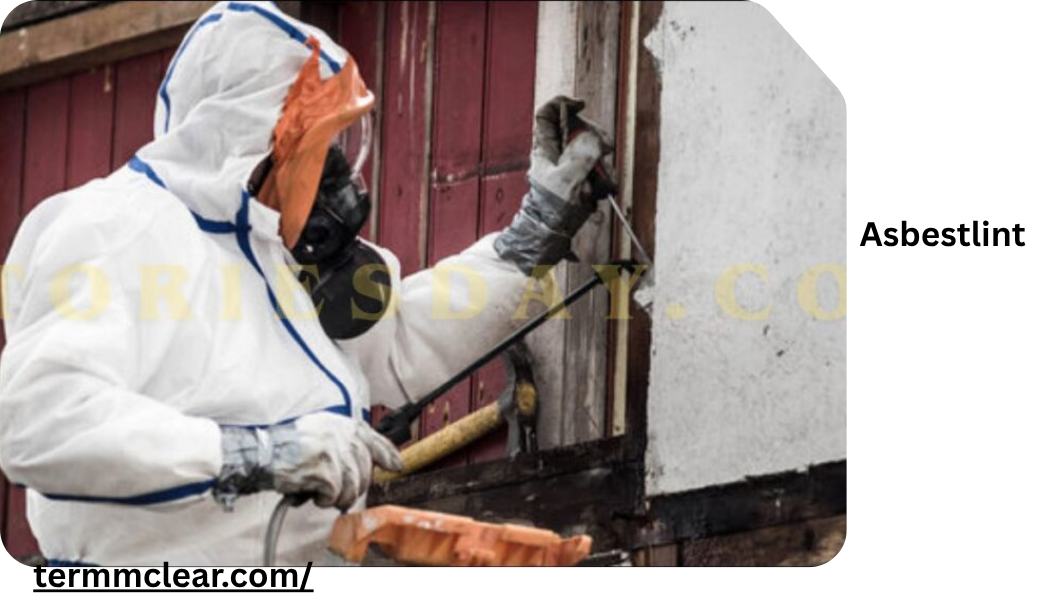
Workers wear specialized protective clothing and respiratory protection designed for asbestos-related work.
Careful Removal
Materials are removed using techniques intended to minimize dust generation rather than breaking or damaging the material unnecessarily.
Cleaning and Decontamination
Specialized cleaning procedures help remove remaining asbestos fibers from the work area.
Final Air Testing
In some projects, air monitoring is performed after removal to verify that airborne fiber levels meet applicable safety requirements before the area is returned to normal use.
How Asbestlint Differs from Ordinary Household Dust
Many people mistakenly assume asbestos dust behaves like regular household dust.
In reality, there are important differences.
| Feature | Asbestlint | Ordinary Dust |
| Source | Asbestos-containing materials | Dirt, pollen, fabric fibers, skin cells |
| Visibility | Usually microscopic | Often visible |
| Health Risk | Can cause serious long-term disease after significant exposure | Usually causes temporary irritation or allergies |
| Identification | Requires laboratory testing | Easily recognized visually |
| Removal | Requires specialized procedures | Routine household cleaning |
Understanding these differences highlights why asbestos should never be treated like normal dust.
The Environmental Impact of Asbestlint
Although human health receives most attention, asbestos fibers can also affect the surrounding environment if not handled properly.
Improper disposal may contaminate:
- Soil
- Construction waste
- Water drainage systems
- Demolition sites
- Landfill areas
Proper disposal helps prevent fibers from spreading into nearby communities and protects future construction or maintenance workers.
Modern Alternatives to Asbestos
As awareness of asbestos-related diseases increased, manufacturers developed safer materials with similar performance characteristics.
Today, many products use alternatives such as:
- Fiberglass insulation
- Mineral wool
- Cellulose insulation
- Ceramic fiber products
- High-performance synthetic materials
- Fiber cement products without asbestos
These materials provide insulation and fire resistance while reducing many of the health concerns associated with asbestos.
How Regulations Have Changed Over Time
Many governments introduced strict asbestos regulations after medical research confirmed the health risks associated with airborne fibers.
Modern regulations often include requirements for:
- Building inspections
- Worker protection
- Air monitoring
- Licensed asbestos removal
- Safe transportation
- Approved disposal methods
- Public health reporting
Although regulations vary by country, the overall goal is the same: reducing unnecessary exposure to asbestos fibers.
Why Education Is One of the Best Safety Tools
Many asbestos-related exposures occur simply because people are unaware that asbestos may be present.
Education helps homeowners, contractors, and property managers make informed decisions before beginning renovation or demolition work.
Learning about asbestlint can help people:
- Recognize potential risk situations.
- Understand when professional testing is needed.
- Avoid unsafe removal methods.
- Protect family members and coworkers.
- Comply with local environmental regulations.
Greater awareness leads to better prevention.
Common Mistakes People Make Around Suspected Asbestos
Even well-intentioned homeowners sometimes increase risk by making avoidable mistakes.
Examples include:
Starting Renovation Without Inspection
Older buildings should be evaluated before major remodeling begins.
Sweeping Suspected Asbestos Dust
Dry sweeping can disturb settled fibers and release them back into the air.
Using Power Tools
Drills, grinders, sanders, and saws may release large amounts of microscopic fibers if asbestos-containing materials are present.
Ignoring Minor Damage
Small cracks or broken insulation may seem harmless, but damaged materials should be assessed before they deteriorate further.
Throwing Materials into Regular Trash
Asbestos waste should only be handled and disposed of according to local regulations.
The Future of Asbestos Management
Although asbestos use has declined significantly in many countries, managing existing asbestos remains an ongoing challenge.
Several developments are improving asbestos safety.
Improved Detection Technology
Modern laboratory equipment continues to provide faster and more accurate identification of asbestos fibers.
Better Worker Protection
Protective equipment and workplace safety standards continue to improve, reducing occupational exposure.
Advanced Building Surveys
Digital inspection records and building databases help identify asbestos-containing materials before renovation projects begin.
Greater Public Awareness
Educational campaigns continue helping homeowners understand when asbestos may be present and why professional evaluation is important.
Expert Tips for Homeowners
If you own or plan to purchase an older property, these recommendations can help reduce potential asbestos risks.
- Learn the construction history of the building.
- Arrange inspections before renovation projects.
- Avoid damaging materials that may contain asbestos.
- Hire qualified professionals for testing and removal.
- Follow all local regulations regarding asbestos management.
- Keep records of inspections and any completed removal work.
- Educate family members about avoiding unnecessary disturbance of older building materials.
These practical steps help create a safer living environment while supporting responsible property maintenance.
Final Thoughts
Asbestlint refers to the microscopic asbestos fibers released when asbestos-containing materials become damaged, disturbed, or deteriorate. Although these fibers are usually invisible, they can pose significant health risks after repeated or prolonged exposure because they may remain in the lungs for many years.
Understanding where asbestos may be found, recognizing situations that can release fibers, and relying on professional inspection and removal services are essential parts of reducing exposure. Modern regulations, improved testing methods, and greater public awareness have significantly improved asbestos safety, but millions of older buildings still require careful management.
Rather than creating unnecessary fear, the best approach is informed caution. Undisturbed asbestos-containing materials are often best left alone unless they are damaged or scheduled for renovation. When work is required, trained professionals, proper protective procedures, and compliance with local regulations help protect both individuals and the surrounding community.
By understanding the risks associated with asbestlint and following established safety practices, homeowners, workers, and property managers can make informed decisions that protect health while responsibly managing older buildings.
Frequently Asked Questions (FAQs)
What does asbestlint mean?
Asbestlint refers to the microscopic fibrous dust released from asbestos-containing materials when they are damaged, disturbed, or deteriorate over time.
Can you see asbestlint with the naked eye?
Generally, no. Individual asbestos fibers are microscopic and usually cannot be seen without specialized laboratory equipment.
Is every old building contaminated with asbestlint?
No. While many older buildings may contain asbestos-containing materials, not all do. Laboratory testing is required to confirm its presence.
When is asbestlint most likely to become airborne?
Activities such as drilling, sanding, cutting, demolition, renovation, or the deterioration of damaged asbestos-containing materials can release microscopic fibers into the air.
Can ordinary household cleaning remove asbestlint?
Routine cleaning methods are not designed for asbestos contamination. Suspected asbestos should be handled according to professional guidance and local regulations.
How is asbestlint identified?
Professionals collect material or air samples, which are analyzed in accredited laboratories using specialized microscopy techniques.