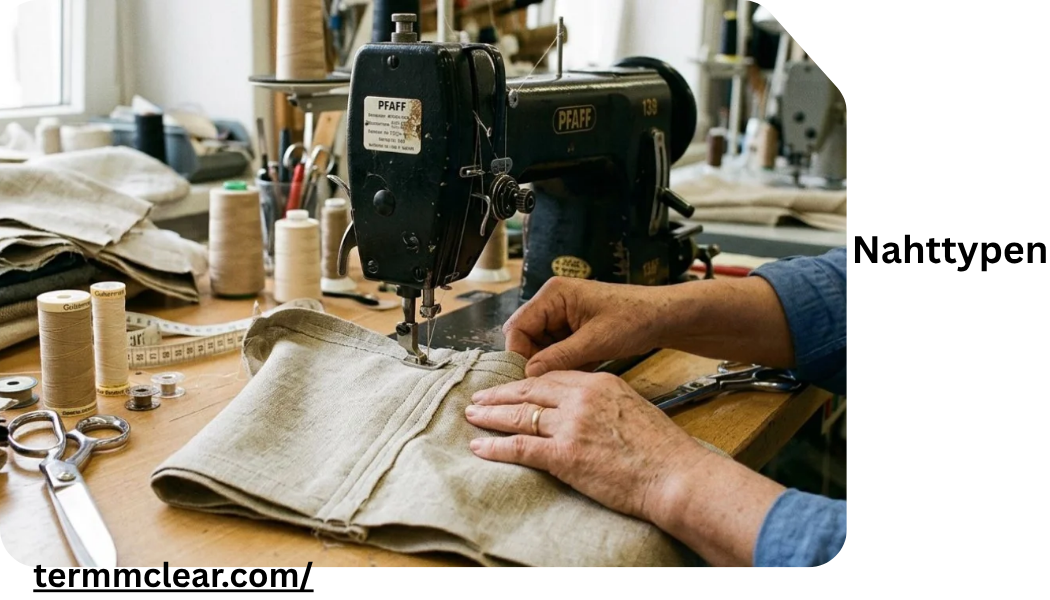
Nahttypen: The Complete Guide to Seam Types, Sewing Techniques, and Choosing the Right Seam for Every Project
Every great sewing project begins with quality fabric, careful measurements, and creative design. However, one element often determines whether a finished product is durable, comfortable, and visually appealing—the seam. In German, the word nahttypen simply means “types of seams.” Although the term sounds technical, understanding nahttypen is one of the most valuable skills for anyone interested in sewing, fashion design, upholstery, home décor, or textile manufacturing.
A seam does much more than connect two pieces of fabric. It affects strength, flexibility, appearance, comfort, durability, and even the lifespan of a finished garment. Different sewing projects require different seam types because fabrics behave differently under movement, washing, stretching, and daily use.
Modern sewing has evolved far beyond simple straight stitches. Today, professional designers choose specific nahttypen based on fabric weight, garment style, expected wear, production efficiency, and decorative goals. Selecting the correct seam can make the difference between clothing that lasts for years and garments that begin falling apart after only a few washes.
This comprehensive guide explores the world of nahttypen from both practical and professional perspectives. Along the way, you’ll discover the most common seam types, their advantages, ideal applications, construction techniques, fabric compatibility, industry standards, and expert recommendations for achieving better sewing results.
What Does Nahttypen Mean?
Nahttypen is the German word for types of seams. In sewing and garment construction, a seam is the line where two or more pieces of fabric are stitched together. While every seam has the basic job of joining fabric, not all seams are designed for the same purpose. The type of seam used can affect how a garment looks, feels, fits, and performs over time.
Professional designers and experienced sewists carefully select different nahttypen based on the fabric, the purpose of the garment, and the level of durability required. A seam that works well for a lightweight blouse may not be suitable for heavy denim jeans or stretch sportswear. Choosing the right seam improves both the quality and lifespan of the finished product.
Different nahttypen are designed to achieve specific goals, including:
- Providing maximum strength for heavy-duty garments
- Creating a clean and attractive appearance
- Allowing flexibility and natural movement
- Improving comfort by reducing bulk and irritation
- Adding decorative details to enhance the design
- Increasing durability for long-term use
- Offering water resistance for outdoor clothing
- Providing stretchability for knit and athletic fabrics
Understanding these differences allows sewists, fashion designers, and textile professionals to choose the most suitable seam for every project, resulting in clothing and fabric products that are both functional and professionally finished.
Also read:Asbestlint: A Complete Guide to Asbestos Dust, Health Risks, Identification, Removal, and Safety
Why Nahttypen Matter
Many beginners focus primarily on fabric selection while overlooking seam construction.
In reality, seams influence nearly every aspect of a finished product.
Good seam selection improves:
- Garment durability
- Comfort
- Shape retention
- Professional appearance
- Washability
- Repairability
- Fabric stability
Professional fashion designers often spend considerable time selecting appropriate seam constructions before beginning production.
The Basic Purpose of Seams
Every seam performs one or more important functions.
Joining Fabric
The most obvious purpose is connecting separate fabric pieces.
Without seams, clothing would simply remain flat pieces of fabric.
Providing Structure
Seams help garments maintain their intended shape.
Jackets, dresses, trousers, and shirts all rely on carefully positioned seams.
Adding Decorative Detail
Some seams intentionally become visible design features.
Decorative topstitching can enhance both appearance and durability.
Improving Strength
Well-designed seams distribute stress across the fabric.
This reduces tearing during everyday use.
How Nahttypen Have Evolved
Sewing has existed for thousands of years.
Early seams were created entirely by hand using natural fibers.
The Industrial Revolution introduced sewing machines, allowing stronger and more consistent seam construction.
Today, computerized sewing equipment creates highly specialized seams for:
- Sportswear
- Medical textiles
- Automotive interiors
- Outdoor equipment
- Luxury fashion
- Technical clothing
Modern nahttypen continue evolving alongside textile technology.
The Most Common Nahttypen
Although hundreds of seam variations exist, several remain widely used throughout the garment industry.
Plain Seam
The plain seam is the most basic and widely used seam.
Construction involves:
- Placing fabrics right sides together
- Sewing a straight stitch
- Pressing seam allowances open
Common uses include:
- Shirts
- Dresses
- Skirts
- Pants
- Children’s clothing
Advantages include:
- Easy construction
- Fast sewing
- Versatility
- Professional appearance
French Seam
French seams completely enclose raw fabric edges.
Benefits include:
- Clean interior finish
- Increased durability
- Elegant appearance
- Reduced fraying
Ideal fabrics include:
- Silk
- Chiffon
- Organza
- Lightweight cotton
French seams are frequently found in premium garments.
Flat-Felled Seam
Flat-felled seams are among the strongest seam types.
They feature folded seam allowances stitched flat against the fabric.
Common applications include:
- Denim jeans
- Workwear
- Outdoor clothing
- Uniforms
Advantages include:
- Excellent durability
- Neat appearance
- Comfortable interior
- Long-lasting construction
Lapped Seam
Instead of placing fabrics edge-to-edge, one fabric overlaps another.
This creates a strong seam frequently used in:
- Leather goods
- Upholstery
- Technical textiles
Bound Seam
Bound seams cover raw edges using binding tape.
Benefits include:
- Decorative finish
- Edge protection
- Improved durability
Often seen in:
- Jackets
- Blankets
- Bags
- Home décor
Mock French Seam
This seam resembles a French seam but requires fewer construction steps.
It provides:
- Clean appearance
- Faster production
- Moderate durability
Manufacturers often use mock French seams to improve efficiency.
Decorative Nahttypen
Not every seam exists purely for structural purposes.
Decorative seams add visual interest.
Examples include:
- Contrast stitching
- Double topstitching
- Decorative embroidery seams
- Piped seams
- Raised seams
Fashion designers frequently combine decorative and functional purposes within a single seam.
Choosing the Right Nahttypen
Selecting the proper seam depends on several factors.
Fabric Weight
Lightweight fabrics generally require delicate seam constructions.
Heavy fabrics demand stronger seams.
Garment Purpose
Formal clothing often prioritizes appearance.
Sportswear emphasizes flexibility and durability.
Stretch Requirements
Knitted fabrics require seams capable of stretching without breaking.
Expected Wear
Children’s clothing and workwear require stronger seam constructions than decorative garments.
Nahttypen for Different Fabrics
Different fabrics perform best with different seam types.
Cotton
Works well with:
- Plain seams
- French seams
- Flat-felled seams
Denim
Best suited for:
- Flat-felled seams
- Reinforced seams
- Double stitching
Silk
Usually benefits from:
- French seams
- Narrow seams
- Fine stitching
Stretch Fabrics
Typically require:
- Stretch seams
- Overlock seams
- Coverstitch seams
These allow fabric movement without damaging stitches.
The Importance of Seam Allowance
Every seam requires adequate seam allowance.
Common seam allowances include:
- ¼ inch
- ⅜ inch
- ½ inch
- ⅝ inch
Correct seam allowance improves:
- Strength
- Accuracy
- Fit
- Professional appearance
Using inconsistent seam allowances often creates fitting problems.
Professional Pressing Techniques
Experienced sewists know that pressing is almost as important as sewing.
Pressing after each seam:
- Removes wrinkles
- Improves accuracy
- Creates flatter garments
- Enhances professional appearance
Many beginners underestimate its importance.
Common Sewing Mistakes
Several errors reduce seam quality.
These include:
- Uneven stitching
- Incorrect tension
- Skipping pressing
- Choosing the wrong seam type
- Poor fabric alignment
- Using unsuitable thread
Recognizing these mistakes helps improve sewing skills much faster.
Essential Sewing Tools for Better Nahttypen
Quality seams require proper equipment.
Useful tools include:
- Sewing machine
- Sharp fabric scissors
- Rotary cutter
- Measuring tape
- Seam gauge
- Pins
- Clips
- Iron
- Pressing board
- Seam ripper
Good tools contribute directly to better results.
Advanced Nahttypen Used in Professional Sewing
As sewing techniques have advanced, manufacturers have developed specialized seam types for specific industries. These seams improve performance, durability, comfort, and appearance depending on how the finished product will be used.
Overlock Seam
An overlock seam is one of the most common seam finishes in modern garment production. It trims the fabric edge while stitching it together, creating a clean and durable finish.
It is commonly used for:
- T-shirts
- Knitwear
- Sportswear
- Casual clothing
- Children’s garments
Advantages include:
- Prevents fraying
- Flexible construction
- Fast production
- Professional finish
Coverstitch Seam
A coverstitch seam is frequently seen on the hems of T-shirts and athletic clothing.
Benefits include:
- Excellent stretch
- Clean appearance
- Comfortable against the skin
- Strong finish for knit fabrics
Welt Seam
A welt seam folds one seam allowance over the other and secures it with visible topstitching.
This seam is often used in:
- Uniforms
- Heavy shirts
- Work jackets
- Decorative garments
It combines durability with an attractive appearance.
Nahttypen in Different Industries
Seam selection changes depending on the product being manufactured.
Fashion Industry
Fashion designers choose seams based on:
- Garment style
- Fabric texture
- Visual appearance
- Production cost
- Comfort
Luxury garments often feature enclosed seams for a polished interior.
Sportswear
Athletic clothing requires seams that stretch and move with the body.
Popular choices include:
- Overlock seams
- Coverstitch seams
- Flat seams
These reduce irritation during physical activity.
Outdoor Equipment
Outdoor clothing must withstand demanding conditions.
Manufacturers often use:
- Reinforced seams
- Waterproof seams
- Flat-felled seams
These improve durability and weather resistance.
Home Décor
Curtains, cushions, bedding, and upholstery use seam types designed for strength and appearance.
Decorative stitching is also common in home textile projects.
How Fabric Choice Influences Nahttypen
Even the best seam may fail if it is paired with the wrong fabric.
When selecting a seam, consider:
- Fabric thickness
- Stretch
- Weight
- Texture
- Fraying tendency
- Intended use
Matching the seam to the fabric helps produce longer-lasting results.
The Role of Thread in Strong Seams
Many beginners focus only on fabric, but thread also affects seam quality.
Factors to consider include:
- Thread strength
- Fiber type
- Thickness
- Color matching
- Elasticity
Using thread that complements the fabric improves both appearance and durability.
Why Seam Testing Is Important
Professional manufacturers test seams before producing garments in large quantities.
Testing may include:
- Stretch tests
- Wash tests
- Abrasion tests
- Strength tests
- Colorfastness checks
These evaluations help ensure garments perform well throughout their expected lifespan.
Sustainable Sewing and Nahttypen
Sustainability has become increasingly important in the textile industry.
Well-constructed seams contribute to sustainability by extending the life of clothing.
Longer-lasting garments reduce:
- Textile waste
- Replacement costs
- Resource consumption
Choosing durable nahttypen supports more responsible fashion.
Repairing Damaged Seams
Even quality seams can wear out over time.
Common repair techniques include:
- Restitching
- Reinforcing weak areas
- Replacing damaged thread
- Adding seam tape
- Strengthening stress points
Early repairs often prevent larger fabric damage.
Common Challenges When Sewing Seams
Every sewing project presents unique challenges.
Some common problems include:
Fabric Slipping
Smooth fabrics such as silk may shift during sewing.
Pins or fabric clips help maintain alignment.
Uneven Stitch Length
Incorrect machine settings can produce inconsistent stitches.
Testing on scrap fabric helps prevent mistakes.
Puckering
Puckered seams often result from improper tension or incorrect needle selection.
Adjusting machine settings usually solves the problem.
Fraying Fabric
Some woven fabrics fray quickly.
Using overlock finishes or bound seams protects raw edges.
Expert Tips for Better Nahttypen
Professional sewists often recommend these habits:
- Press every seam after stitching.
- Test stitches before starting the project.
- Match needle size to fabric weight.
- Use quality thread.
- Maintain even seam allowances.
- Replace dull sewing needles regularly.
- Sew slowly around curves.
- Finish raw edges properly.
These simple practices produce more consistent and professional results.
Future Trends in Nahttypen
The sewing and textile industries continue to evolve.
Several innovations are shaping the future of seam construction.
Automated Sewing Systems
Computer-controlled machines now create highly consistent seams with exceptional accuracy.
Smart Textiles
New fabrics designed for healthcare, sports, and wearable technology require specialized seam constructions.
Eco-Friendly Manufacturing
Manufacturers increasingly seek seam techniques that reduce waste while improving garment durability.
Advanced Thread Technology
Modern threads offer greater strength, flexibility, and resistance to environmental conditions.
These developments continue expanding the possibilities of garment construction.
Why Learning Nahttypen Improves Sewing Skills
Understanding nahttypen helps sewists move beyond simply following patterns.
It encourages informed decisions based on:
- Fabric behavior
- Garment purpose
- Durability requirements
- Comfort
- Professional appearance
This deeper understanding leads to higher-quality sewing projects.
Final Thoughts
Nahttypen may seem like a simple term meaning “types of seams,” but it represents one of the most important foundations of sewing and textile construction. Every seam affects the durability, appearance, comfort, and overall performance of a finished product.
Whether creating everyday clothing, luxury fashion, outdoor gear, home décor, or industrial textiles, selecting the correct seam type ensures that the project not only looks attractive but also performs reliably over time. From the basic plain seam to advanced flat-felled, French, overlock, and coverstitch techniques, each nahttyp serves a specific purpose.
By understanding fabric characteristics, choosing appropriate seam constructions, using quality materials, and practicing careful sewing techniques, both beginners and experienced sewists can significantly improve the quality of their work. As textile technology continues advancing, the importance of mastering nahttypen will only continue to grow.
Frequently Asked Questions (FAQs)
What does nahttypen mean?
Nahttypen is a German word that means “types of seams.” It refers to the different methods used to join pieces of fabric together.
Why are different seam types necessary?
Different fabrics and projects require different seams to provide the right combination of strength, flexibility, appearance, and durability.
What is the most commonly used seam?
The plain seam is the most widely used because it is simple, versatile, and suitable for many sewing projects.
Which nahttypen are best for delicate fabrics?
French seams are often the preferred choice because they enclose raw edges and create a clean, elegant finish.
What seam is strongest for jeans?
Flat-felled seams are commonly used in denim because they provide exceptional strength and durability.