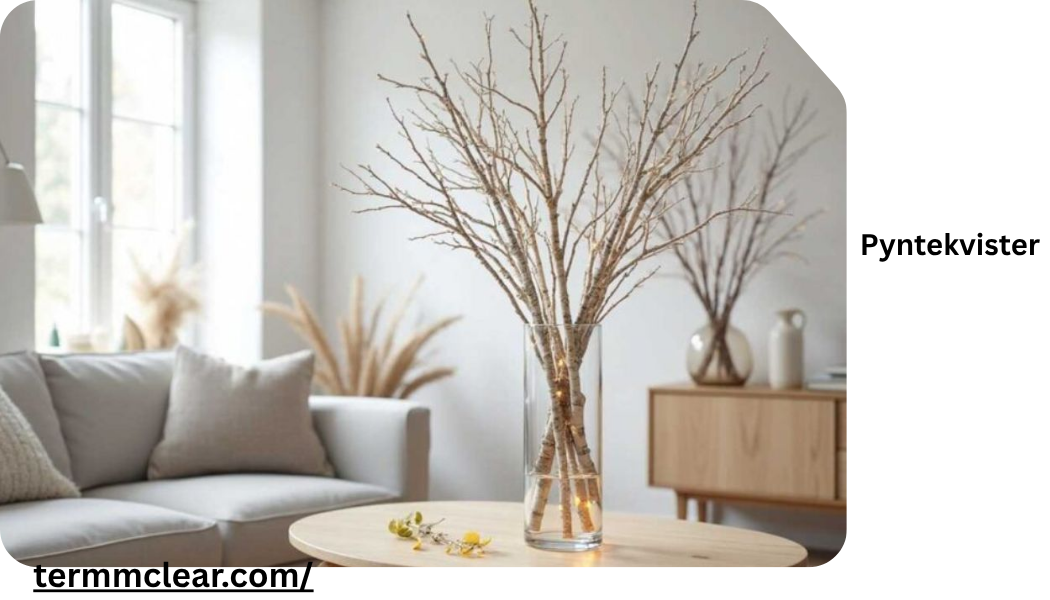
Pyntekvister: The Complete Guide to Decorative Branches for Beautiful, Natural, and Modern Home Décor
Pyntekvister, a Norwegian term meaning “decorative branches,” has become a timeless home décor trend that blends natural beauty with modern interior design. Unlike fresh flower arrangements that often last only a few days, pyntekvister offers a long-lasting, elegant, and sustainable way to decorate homes throughout every season.
Decorative branches have been used for centuries in Scandinavian homes, where nature plays a central role in daily life and interior design. Today, pyntekvister has gained worldwide popularity because it complements a wide range of decorating styles, including minimalist, modern, rustic, farmhouse, bohemian, Japandi, and luxury interiors.
What makes pyntekvister unique is its simplicity. A few carefully selected branches placed in a beautiful vase can completely transform a room without overwhelming the space. These natural elements add texture, height, warmth, and visual interest while maintaining a clean and organized appearance.
As more homeowners embrace sustainable living and biophilic design, pyntekvister continues to grow in popularity. It allows people to bring nature indoors while creating stylish spaces that feel peaceful and inviting.
This comprehensive guide explores everything you need to know about pyntekvister, including its history, benefits, design principles, seasonal styling ideas, decorating techniques, maintenance tips, sustainability advantages, and creative applications. Whether you are decorating a new home or refreshing an existing space, this guide offers practical insights that go beyond the information available in most online resources.
What Does Pyntekvister Mean?
Pyntekvister is a Norwegian word made up of two parts:
- Pynte = To decorate
- Kvister = Branches or twigs
Together, pyntekvister refers to decorative branches intentionally placed indoors as part of home decoration.
Unlike ordinary tree branches collected randomly, pyntekvister are carefully selected for their shape, texture, color, and visual balance.
They may be:
- Natural branches
- Flowering branches
- Dried branches
- Painted branches
- Artificial decorative branches
- Curly branches
- Seasonal branches
The goal is not simply to display wood but to create artistic arrangements that enhance interior spaces.
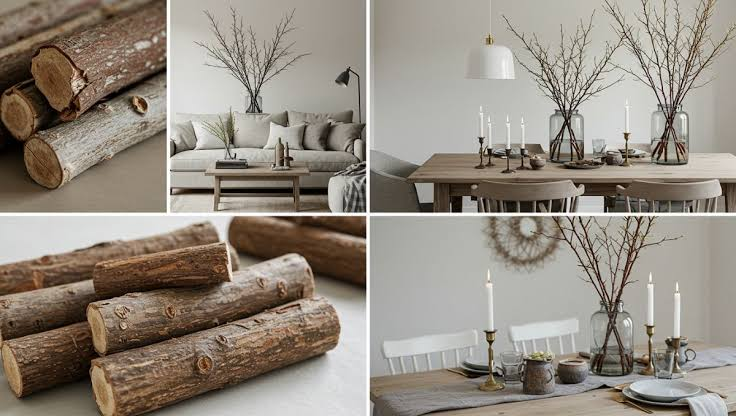
Why Pyntekvister Has Become So Popular
Modern homeowners increasingly appreciate simple decorations that combine beauty with practicality.
Pyntekvister offers several advantages over traditional floral arrangements.
These include:
- Long-lasting beauty
- Low maintenance
- Natural appearance
- Sustainable decorating
- Timeless style
- Affordable decorating option
- Year-round versatility
- Easy customization
Unlike fresh flowers, decorative branches often remain attractive for months or even years.
The History of Pyntekvister
Decorating with branches is deeply connected to Scandinavian culture.
For centuries, people living in Nordic countries maintained strong relationships with nature.
During long winters, bringing natural elements indoors helped create warm and inviting living spaces.
Branches were collected from nearby forests and arranged inside homes for:
- Seasonal celebrations
- Religious holidays
- Family gatherings
- Everyday decoration
- Symbolic traditions
Over time, this practical tradition evolved into a respected design element.
Today, Scandinavian interior design continues to influence homes worldwide, making pyntekvister increasingly popular.
The Philosophy Behind Pyntekvister
Pyntekvister represents more than decoration.
It reflects several important design principles.
Simplicity
A few carefully selected branches often create greater visual impact than crowded decorations.
Natural Beauty
Imperfections make branches interesting.
Their unique curves, textures, and shapes add character.
Balance
Successful arrangements create harmony without appearing overly symmetrical.
Sustainability
Natural materials encourage environmentally responsible decorating.
Mindful Living
Pyntekvister reminds people to appreciate nature within everyday environments.
Different Types of Pyntekvister
Decorative branches come in many forms.
Each creates a different visual effect.
Bare Branches
Simple branches without leaves create clean, minimalist arrangements.
They work particularly well in modern homes.
Flowering Branches
Branches covered with blossoms introduce seasonal color and freshness.
Popular choices include:
- Cherry blossoms
- Magnolia
- Dogwood
- Apple blossoms
- Plum blossoms
Curly Branches
Naturally twisted branches create sculptural interest.
Their unusual forms often become conversation pieces.
Dried Branches
Dried decorative branches offer long-lasting beauty with almost no maintenance.
Evergreen Branches
Pine, cedar, spruce, and fir branches remain popular during colder seasons.
They introduce natural fragrance and greenery.
Painted Decorative Branches
Some branches receive decorative finishes.
Popular colors include:
- White
- Gold
- Silver
- Black
- Bronze
These versions complement contemporary interiors.
Benefits of Decorating with Pyntekvister
Many homeowners choose pyntekvister because it combines beauty with practicality.
Important advantages include:
Long Lifespan
Many decorative branches remain attractive for years.
Minimal Maintenance
Unlike flowers, branches require little attention.
Affordable Design
One arrangement often lasts much longer than fresh bouquets.
Eco-Friendly Decorating
Natural branches reduce waste associated with disposable decorations.
Versatility
The same arrangement can be updated seasonally with ornaments or lights.
How to Choose the Right Pyntekvister
Selecting decorative branches depends on several factors.
Room Size
Large rooms benefit from taller arrangements.
Smaller spaces often require more delicate branches.
Interior Style
Minimalist interiors pair well with simple branches.
Rustic homes suit textured natural wood.
Modern spaces often incorporate painted branches.
Vase Selection
The vase influences the entire arrangement.
Tall branches require stable containers with wider bases.
Clear glass emphasizes simplicity.
Ceramic vases introduce texture.
Stone vessels create an organic appearance.
Best Rooms for Pyntekvister
Decorative branches work throughout the home.
Living Room
Large statement arrangements often become focal points.
Dining Room
Centerpiece branches create elegant table displays.
Entryway
Decorative branches provide a welcoming first impression.
Bedroom
Simple natural arrangements encourage calmness.
Home Office
Natural elements create relaxing work environments.
Bathroom
Small branches add spa-like elegance.
Popular Interior Design Styles That Use Pyntekvister
Several decorating styles naturally incorporate decorative branches.
Scandinavian Style
Clean lines and natural materials make pyntekvister an essential element.
Japandi
The combination of Japanese simplicity and Scandinavian comfort works beautifully with natural branches.
Minimalism
Branches add visual interest without creating clutter.
Rustic Design
Weathered wood complements natural decorative branches.
Modern Design
Simple branch arrangements balance sleek furniture.
Farmhouse Style
Natural materials enhance cozy interiors.
Seasonal Decorating with Pyntekvister
One advantage of decorative branches is their year-round adaptability.
Spring
Flowering branches symbolize renewal.
Soft pastel decorations complement blooming branches.
Summer
Green leafy branches brighten indoor spaces.
Simple arrangements emphasize freshness.
Autumn
Colorful branches featuring red, orange, and golden leaves reflect seasonal changes.
Winter
Bare branches decorated with lights create elegant winter displays.
Also read:Herbciepscam: The Complete Guide to Understanding, Identifying, and Avoiding Online Scams
Evergreen branches introduce warmth and fragrance.
Creative Ways to Decorate with Pyntekvister
Traditional vase arrangements remain popular, but creative possibilities continue expanding.
Ideas include:
- Wall-mounted branch displays
- Hanging ceiling installations
- Wedding decorations
- Holiday centerpieces
- Table runners
- Shelf styling
- Window decorations
- Fireplace accents
These creative applications allow homeowners to personalize their spaces.
Natural vs Artificial Pyntekvister
Both options offer advantages.
Natural Branches
Benefits include:
- Authentic appearance
- Unique character
- Eco-friendly materials
- Organic textures
Challenges include:
- Seasonal availability
- Occasional maintenance
- Limited lifespan for fresh branches
Artificial Branches
Advantages include:
- Long-term durability
- Consistent appearance
- Allergy-friendly
- No watering required
Many homeowners combine both options depending on the season.
Caring for Decorative Branches
Proper care helps maintain attractive arrangements.
General recommendations include:
- Dust regularly
- Avoid excessive moisture
- Keep away from direct heat
- Trim damaged ends
- Replace faded decorative elements
- Store seasonal branches carefully
Simple maintenance extends the life of both natural and artificial arrangements.
Why Pyntekvister Supports Sustainable Living
Sustainability continues influencing home décor trends.
Pyntekvister supports environmentally responsible decorating in several ways.
These include:
- Reusable decorations
- Reduced floral waste
- Natural materials
- Long-lasting arrangements
- Minimal resource consumption
- Seasonal adaptability
Rather than replacing decorations frequently, homeowners can refresh existing arrangements throughout the year.
Common Mistakes When Decorating with Pyntekvister
Although decorative branches appear simple, several common mistakes reduce their visual impact.
Avoid these errors:
- Choosing branches that are too short for large spaces.
- Using unstable vases.
- Overcrowding arrangements.
- Ignoring room proportions.
- Mixing too many decorative styles.
- Forgetting seasonal balance.
- Using damaged branches without trimming.
Careful planning creates more elegant results.
Why Pyntekvister Continues Growing in Popularity
Modern homeowners increasingly value simplicity, sustainability, and timeless design.
Pyntekvister combines all three.
Unlike temporary decorating trends, decorative branches remain relevant because they connect interior spaces with nature while adapting to changing personal styles.
As biophilic design and eco-conscious decorating continue expanding, pyntekvister is likely to remain a favorite choice for designers and homeowners worldwide.
Advanced Styling Techniques for Pyntekvister
Once you understand the basics of decorating with pyntekvister, you can create more sophisticated arrangements that look professionally designed. Interior designers often use a few simple principles to make decorative branches stand out without making a room feel crowded.
Create Different Heights
Using branches of different lengths creates movement and makes the arrangement look more natural.
Avoid cutting every branch to the same height. Nature is rarely perfectly symmetrical, and slight differences create a more realistic appearance.
Focus on Balance Instead of Symmetry
Many beginners try to make every branch identical.
Professional designers focus on visual balance rather than perfect symmetry.
A balanced arrangement feels comfortable to the eye while still looking natural.
Leave Empty Space
One of the biggest strengths of pyntekvister is simplicity.
Allow empty space between branches so each one can be appreciated individually.
Too many branches can make an arrangement look heavy and cluttered.
Mix Textures Carefully
Combining smooth, rough, curved, and straight branches creates depth.
However, limit yourself to two or three textures to maintain harmony.
DIY Pyntekvister Projects
Creating your own pyntekvister arrangements can be enjoyable and cost-effective.
Painted Decorative Branches
Collect clean, dry branches and spray them with decorative paint.
Popular colors include:
- White
- Matte black
- Gold
- Silver
- Bronze
- Soft gray
Painted branches work especially well in modern interiors.
Seasonal Ornament Tree
Use a tall branch in a sturdy vase.
Decorate it throughout the year with seasonal ornaments.
Examples include:
- Easter eggs
- Spring flowers
- Summer butterflies
- Autumn leaves
- Halloween decorations
- Christmas ornaments
- Fairy lights
This allows one arrangement to remain useful all year.
Wall Art
Mount decorative branches on wooden boards or directly on the wall.
This creates unique natural artwork without requiring expensive materials.
Table Centerpieces
Arrange shorter branches inside wide ceramic or glass containers.
Add candles or small decorative stones for additional visual interest.
Choosing the Perfect Vase
The vase plays an equally important role in a pyntekvister arrangement.
Glass Vases
Ideal for:
- Minimalist homes
- Scandinavian interiors
- Contemporary spaces
Glass emphasizes simplicity while allowing the branches to become the main attraction.
Ceramic Vases
Suitable for:
- Farmhouse style
- Rustic interiors
- Traditional homes
Ceramic provides warmth and texture.
Stone Vases
Stone containers create an earthy, natural appearance.
They pair particularly well with thick decorative branches.
Metal Vases
Modern metallic finishes complement painted branches and luxury interiors.
Decorating Different Home Styles with Pyntekvister
Decorative branches easily adapt to various design styles.
Scandinavian Interiors
Choose:
- Light-colored branches
- Neutral vases
- Minimal decorations
Keep arrangements simple and elegant.
Modern Homes
Use:
- Tall branches
- Matte black containers
- Clean lines
- Monochromatic color schemes
Bohemian Style
Mix decorative branches with:
- Dried grasses
- Pampas grass
- Handmade baskets
- Natural fabrics
Luxury Interiors
Add subtle elegance using:
- Gold-painted branches
- Crystal vases
- Soft lighting
- Premium decorative accessories
Pyntekvister for Special Occasions
Decorative branches can be customized for many celebrations.
Also read:Blazertje: The Complete Guide to the Stylish Dutch-Inspired Lightweight Blazer
Weddings
Use flowering branches to create romantic centerpieces or ceremony backdrops.
Birthday Parties
Decorate branches with ribbons, photos, or personalized ornaments.
Thanksgiving
Add dried leaves, pinecones, and warm autumn colors.
Christmas
Bare branches decorated with lights and ornaments create elegant holiday displays.
Baby Showers
Soft pastel decorations paired with delicate flowering branches create a welcoming atmosphere.
Common Materials Used with Pyntekvister
Many decorative accessories pair beautifully with branches.
Popular additions include:
- Fairy lights
- Pinecones
- Decorative birds
- Artificial flowers
- Hanging ornaments
- Glass beads
- Fabric ribbons
- Wooden decorations
- Small lanterns
- Handmade crafts
Use accessories carefully to avoid overwhelming the natural beauty of the branches.
Pyntekvister Compared with Fresh Flowers
Although both decorate interior spaces, they offer different advantages.
| Feature | Pyntekvister | Fresh Flowers |
| Lifespan | Months or years | Several days to two weeks |
| Maintenance | Very low | Regular watering and trimming |
| Cost Over Time | More economical | Higher recurring cost |
| Seasonal Flexibility | Excellent | Depends on flower availability |
| Sustainability | High | Moderate |
| Minimalist Appeal | Excellent | Moderate |
Many homeowners use both throughout the year depending on the occasion.
Pyntekvister Compared with Artificial Decorations
Artificial decorative items remain popular, but pyntekvister offers several advantages.
Natural decorative branches provide:
- Organic texture
- Unique shapes
- Authentic appearance
- Greater visual warmth
- Timeless elegance
Artificial decorations may offer convenience but often lack the natural character that real branches provide.
Buying Guide for Pyntekvister
If you plan to purchase decorative branches, consider several factors.
Material Quality
Choose branches that appear sturdy and well-preserved.
Shape
Interesting curves and natural movement create stronger visual impact.
Size
Measure your available space before purchasing.
Tall branches require higher ceilings.
Color
Neutral colors remain versatile throughout the year.
Sustainability
Whenever possible, purchase branches sourced responsibly.
How Businesses Use Pyntekvister
Decorative branches are not limited to homes.
Commercial spaces increasingly incorporate natural arrangements.
Examples include:
- Hotels
- Restaurants
- Retail stores
- Offices
- Reception areas
- Event venues
- Wellness centers
- Cafés
Large decorative branch installations often create memorable first impressions.
Future Trends in Pyntekvister
Interior design continues evolving, and pyntekvister remains highly adaptable.
Several trends are expected to influence its future.
Sustainable Decorating
Consumers increasingly prefer reusable natural décor.
Handmade Arrangements
Custom-designed branch displays continue growing in popularity.
Smart Lighting Integration
Battery-powered LED lighting creates dramatic evening displays.
Mixed Natural Materials
Designers increasingly combine branches with:
- Moss
- Stone
- Wood
- Dried flowers
- Natural fibers
Personalized Home Styling
Homeowners increasingly create arrangements that reflect their own personalities rather than copying trends.
Expert Tips for Decorating with Pyntekvister
Professional designers often recommend these simple practices.
- Choose fewer branches rather than too many.
- Let each branch have room to stand out.
- Match vase size to branch height.
- Keep decorations consistent with your interior style.
- Rotate seasonal decorations instead of replacing the entire arrangement.
- Dust arrangements regularly.
- Replace damaged branches when necessary.
- Observe natural branch shapes rather than forcing perfect symmetry.
These small adjustments often create the greatest visual improvement.
Common Mistakes to Avoid
Even experienced decorators occasionally make errors.
Avoid the following:
Using Lightweight Vases
Tall branches may tip over if the container is too light.
Ignoring Scale
Small arrangements disappear inside large rooms.
Large branches may overwhelm compact spaces.
Too Many Decorative Items
Excessive ornaments distract from the natural beauty of the branches.
Poor Placement
Avoid placing arrangements where they block movement or interfere with daily activities.
Mixing Conflicting Styles
Modern branches may not complement heavily traditional accessories unless thoughtfully balanced.
Why Pyntekvister Reflects Modern Living
The growing popularity of pyntekvister reflects changing lifestyles.
Many people now value:
- Simplicity
- Sustainability
- Natural beauty
- Mindful decorating
- Long-lasting quality
- Calm living spaces
Decorative branches support each of these values without requiring expensive renovations or constant replacement.
Final Thoughts
Pyntekvister is much more than a Scandinavian decorating tradition. It is a timeless design concept that celebrates the beauty of nature through simple, elegant arrangements. By bringing carefully selected decorative branches indoors, homeowners can create spaces that feel calm, welcoming, and visually balanced.
One of the greatest strengths of pyntekvister is its versatility. Whether your home reflects Scandinavian minimalism, rustic charm, modern luxury, Japandi simplicity, or farmhouse comfort, decorative branches can enhance the space without overpowering it. They work beautifully in living rooms, dining areas, bedrooms, offices, entryways, and even commercial spaces.
As sustainable living and biophilic design continue to influence interior decorating, pyntekvister remains an excellent choice for people seeking long-lasting, eco-friendly décor. With thoughtful styling, proper care, and a touch of creativity, decorative branches can become one of the most elegant and meaningful design elements in any home, proving that sometimes the simplest natural details create the most lasting impression.
Frequently Asked Questions About Pyntekvister
Can pyntekvister be used outdoors?
Yes. Decorative branches can enhance patios, balconies, and covered outdoor spaces, although weather conditions may reduce their lifespan.
Which branches last the longest indoors?
Dried branches, curly willow, birch branches, and well-preserved decorative twigs often remain attractive for many months or even years.
Do decorative branches require water?
Fresh flowering branches may benefit from water, but dried and preserved pyntekvister usually do not require any watering.
Can I collect branches from my own garden?
Yes. Clean, healthy branches from your garden can make beautiful decorative arrangements after proper drying and preparation.
Are pyntekvister suitable for apartments?
Absolutely. Even small apartments can benefit from compact branch arrangements placed on shelves, coffee tables, or entryway consoles.